 Save
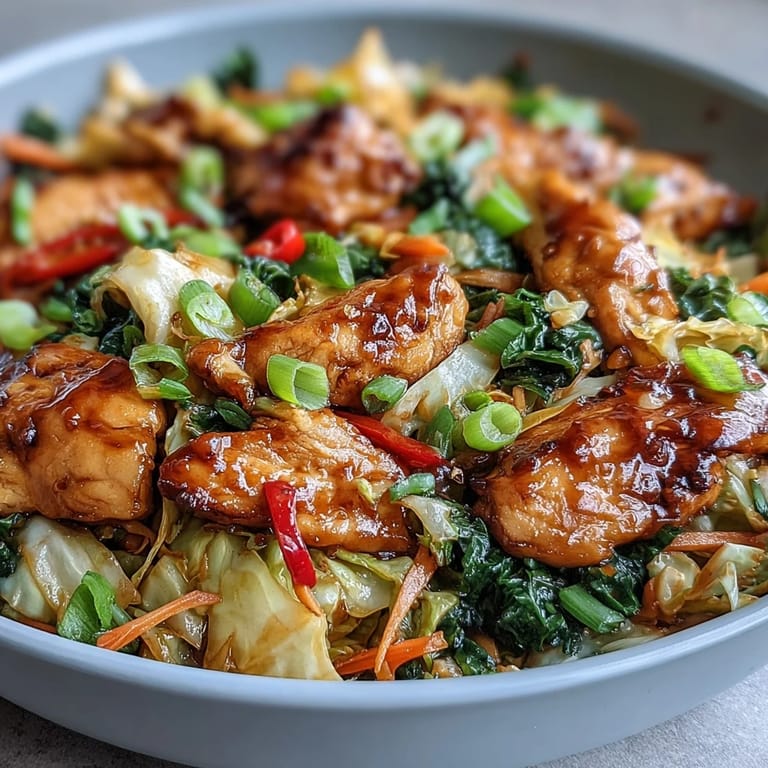
Save The smell of ginger hitting hot oil still reminds me of Tuesday nights when I needed dinner on the table fast. I used to think stir-fry meant ordering takeout until a neighbor showed me how a head of cabbage and some chicken could turn into something this satisfying. The crunch of the vegetables against the glossy sauce became my favorite sound in the kitchen. It took maybe three tries before I stopped overcooking the cabbage into mush. Now this is the recipe I make when I want something delicious without the fuss.
I made this for my sister once when she came over exhausted from work, convinced she had no energy to eat anything healthy. She watched me slice the cabbage and toss everything together, skeptical at first, but by the time the sauce started bubbling and coating the chicken, she was leaning over the pan with a fork. We ate straight from the skillet that night, standing at the counter, and she asked for the recipe before she even left. It became her weeknight go-to, and now she texts me photos every time she makes it with some wild new vegetable she threw in.
Ingredients
- Boneless, skinless chicken breast or thighs, thinly sliced: Thighs stay juicier and more forgiving if you get distracted, but breasts work beautifully if you slice them thin and do not overcook them.
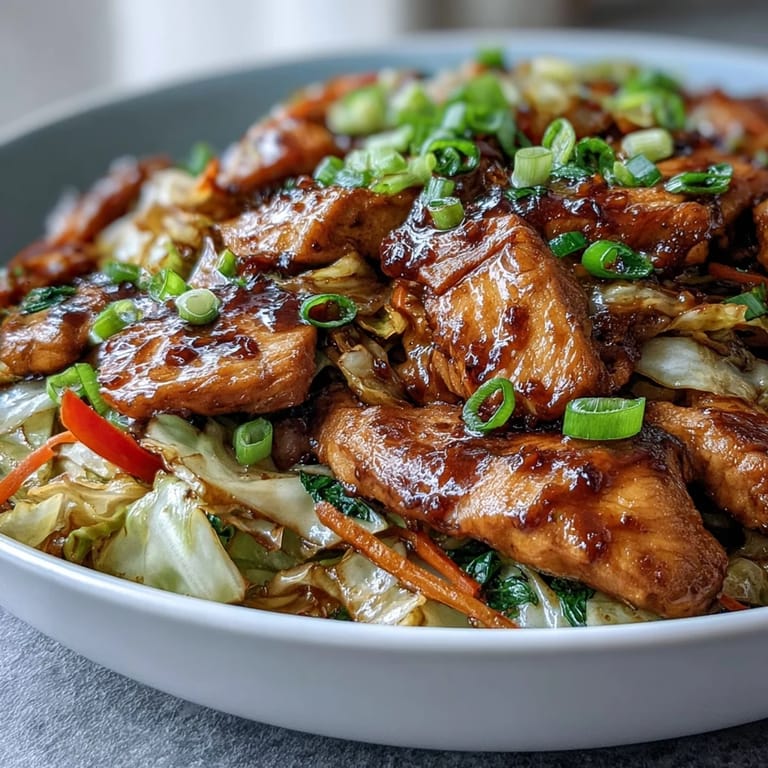
- Green cabbage, cored and thinly sliced: This is the star of the dish, turning tender but still crisp and sweet when stir-fried quickly over high heat.
- Carrot, julienned: Adds a pop of color and a slight sweetness that balances the salty sauce, plus it cooks at the same rate as the cabbage.
- Red bell pepper, thinly sliced: Brings brightness and a hint of char if your pan gets hot enough, which only makes it better.
- Green onions, sliced: Stirred in at the end, they add a fresh, sharp bite that cuts through the richness of the sauce.
- Soy sauce: The salty backbone of the sauce, use tamari if you need it gluten-free and the flavor stays just as deep.
- Oyster sauce: This is what gives the sauce that thick, savory gloss, a little goes a long way and it is worth keeping a bottle around.
- Hoisin sauce: Adds a touch of sweetness and complexity, like a hint of spice and molasses all at once.
- Rice vinegar: A splash of brightness that keeps the sauce from feeling too heavy or one-note.
- Sesame oil: Just a teaspoon or two adds that nutty, toasted aroma that makes everything smell like your favorite takeout spot.
- Cornstarch: Mixed with water, it thickens the sauce so it clings to every piece instead of pooling at the bottom of the pan.
- Sugar: A tiny bit balances the salt and umami, rounding out the flavors without making it sweet.
- Vegetable oil: High smoke point and neutral flavor, perfect for stir-frying over high heat without burning.
- Garlic, minced: Sautéed just until fragrant, it fills the kitchen with that irresistible smell and deepens the sauce.
- Fresh ginger, peeled and grated: The zing and warmth of ginger is what makes this taste vibrant and alive, never skip it.
Tired of Takeout? 🥡
Get 10 meals you can make faster than delivery arrives. Seriously.
One email. No spam. Unsubscribe anytime.
Instructions
- Mix the sauce:
- In a small bowl, whisk together the soy sauce, oyster sauce, hoisin sauce, rice vinegar, sesame oil, cornstarch, water, and sugar until smooth. Set it aside so the cornstarch does not settle at the bottom.
- Cook the chicken:
- Heat 1 tablespoon of vegetable oil in a large skillet or wok over medium-high heat, add the sliced chicken, and cook for 4 to 5 minutes, stirring occasionally, until golden and cooked through. Remove the chicken from the pan and set it aside on a plate.
- Sauté the aromatics:
- Add the remaining tablespoon of oil to the same pan, toss in the minced garlic and grated ginger, and stir for about 30 seconds until the smell hits you and fills the kitchen. Do not let them burn or they will turn bitter.
- Stir-fry the vegetables:
- Add the sliced cabbage, julienned carrot, and sliced bell pepper to the pan and stir-fry for 3 to 4 minutes, tossing frequently, until the vegetables are crisp-tender and just starting to soften. The cabbage should still have a bit of crunch.
- Combine and coat:
- Return the cooked chicken to the pan, pour in the prepared sauce, and toss everything together over the heat for 2 to 3 minutes until the sauce thickens and coats every piece. You will see it go from liquid to glossy.
- Finish and serve:
- Stir in the sliced green onions, taste, and adjust the seasoning if needed with a splash more soy sauce or vinegar. Serve hot, straight from the pan or over steamed rice or noodles.
 Save
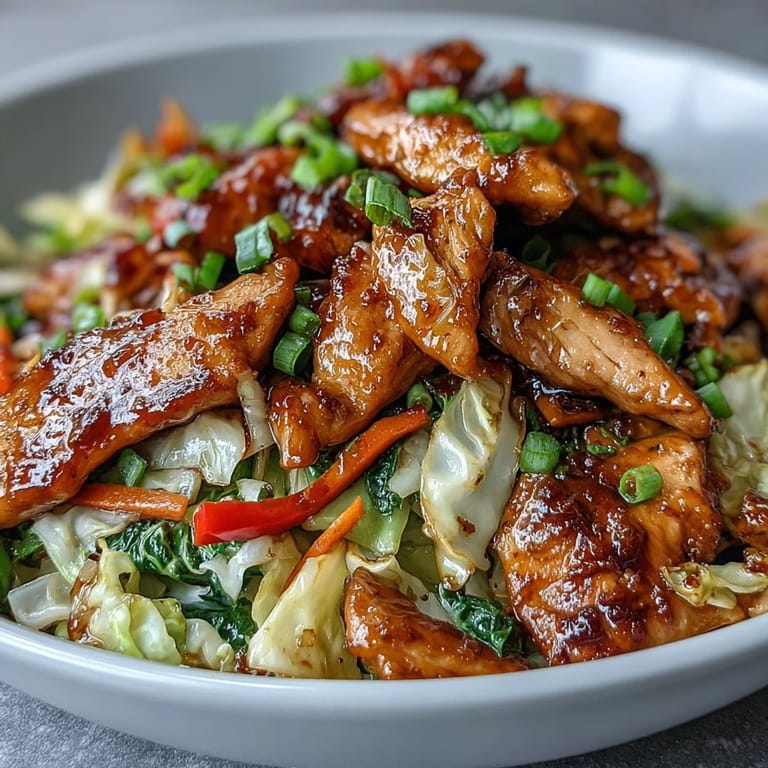
Save There was a night I made this after a long, frustrating day, and the simple act of slicing vegetables and hearing them sizzle in the pan calmed me down more than I expected. My partner wandered into the kitchen, drawn by the smell of garlic and ginger, and we ended up talking through the whole thing while I cooked. By the time we sat down to eat, the day felt lighter, and the food tasted better because of it. Sometimes a recipe is not just about feeding yourself, it is about the rhythm and the moment it creates.
Swapping the Protein
I have made this with tofu, shrimp, and even leftover pork, and every version has its own charm. If you use tofu, press it well and cut it into cubes, then pan-fry it separately until crispy before adding it back in with the sauce. Shrimp cooks even faster than chicken, so keep an eye on it and pull it out as soon as it turns pink. The sauce works with anything, so use what you have or what sounds good to you that night.
Adjusting the Heat
I am not big on spice, but my friend who is always adds a pinch of chili flakes or a drizzle of chili oil right before serving. It does not overpower the other flavors, just gives the sauce a little kick that wakes everything up. If you like heat, start small and taste as you go, you can always add more but you cannot take it back. Sometimes I add a few slices of fresh red chili to the vegetables for color and a milder heat.
Serving Suggestions
This is delicious on its own, but serving it over jasmine rice or brown rice turns it into a full meal that feels more substantial. I have also tossed it with noodles, rice noodles or even spaghetti in a pinch, and the sauce coats them just as well. If you want to keep it light, skip the starch and just pile on extra vegetables.
- Steamed jasmine or brown rice soaks up the sauce and makes every bite satisfying.
- Rice noodles or lo mein add a chewy texture that pairs perfectly with the crisp cabbage.
- A handful of sesame seeds or chopped peanuts on top adds crunch and makes it look like you put in extra effort.
 Save
Save This is one of those recipes that feels like a gift to yourself on a busy night. It is fast, forgiving, and always turns out better than you expect.
Recipe FAQs
- → Can I use chicken thighs instead of chicken breast?
Yes, boneless skinless chicken thighs work excellently in this stir-fry. They tend to be more tender and flavorful than breast meat, though they contain slightly more fat. Slice them thinly and cook the same way.
- → How do I prevent the cabbage from becoming too soft?
Cook the cabbage over high heat for only 3-4 minutes, stirring frequently. The goal is crisp-tender vegetables, not fully softened ones. Don't overcrowd the pan, as this creates steam rather than allowing proper stir-frying.
- → What can I substitute for oyster sauce?
If you need a vegetarian option or don't have oyster sauce, use an additional tablespoon of hoisin sauce or try mushroom-based oyster sauce alternatives. You can also mix soy sauce with a touch of sugar for a simpler substitute.
- → Can I make this dish ahead of time?
While best served fresh, you can prep all ingredients in advance and store them separately. Cook just before serving for optimal texture. Leftovers keep for 3 days refrigerated but the vegetables will soften upon reheating.
- → What vegetables can I add or substitute?
Snap peas, broccoli florets, mushrooms, or bok choy all work wonderfully. Add harder vegetables like broccoli earlier in the cooking process, and leafy greens like bok choy toward the end to prevent overcooking.
- → How do I make this gluten-free?
Replace regular soy sauce with tamari or coconut aminos, and ensure your oyster sauce and hoisin sauce are certified gluten-free versions. Check all labels carefully as wheat is a common ingredient in Asian sauces.