 Save
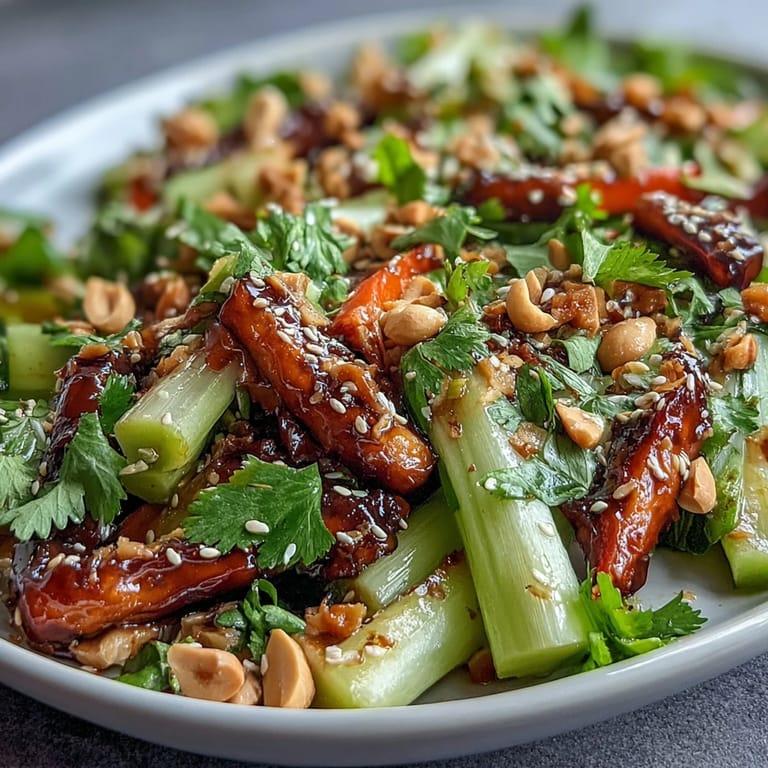
Save One afternoon, my neighbor dropped off a bundle of celery from her garden—so crisp it practically snapped in half just holding it. I'd been stuck in a lunch rut, making the same tired salads, so I decided to do something different with all that fresh produce. That's when I stumbled onto the magic of combining it with a warm, gingery soy dressing that somehow makes everything taste brighter. The result was so good I've made it at least once a week ever since, always tweaking it slightly depending on what's in the crisper drawer.
I served this at a casual potluck last spring, and three people asked for the recipe before they'd even finished eating. What surprised me most was watching someone who claimed to dislike cilantro ask if that was the secret ingredient making it taste so good. That moment taught me that sometimes people just need to experience food differently to appreciate flavors they thought they'd written off entirely.
Ingredients
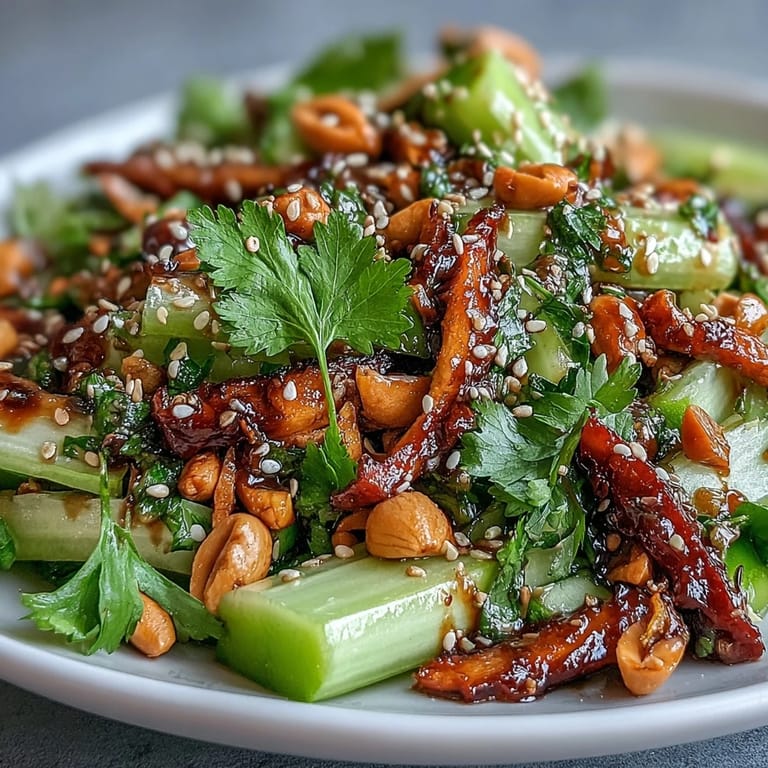
- Celery stalks: Slice them on a diagonal cut—it's not just prettier, it actually gives you more surface area for the dressing to cling to, and somehow makes them taste fresher.
- Red bell pepper: The sweetness balances the salty dressing beautifully, so don't skip it even if you think it's redundant.
- Scallions: Those white and light green parts have a sharper bite that keeps the whole salad from feeling one-note.
- Carrot: Julienne it thin if you use it—thick carrot pieces feel out of place alongside the delicate celery.
- Roasted unsalted peanuts: Buy them unsalted because the soy sauce brings all the salt you need, and you'll taste the actual peanut flavor this way.
- Sesame seeds: Toasting them yourself makes them taste nutty and intentional, but honestly, store-bought works fine if you're in a hurry.
- Fresh cilantro: Chop it right before serving or it gets dark and bitter—trust me on this one.
- Soy sauce: I reach for tamari automatically now since it's gluten-free and tastes slightly richer than regular soy sauce.
- Rice vinegar: This is the backbone of the dressing—it's milder than white vinegar and won't overpower everything else.
- Toasted sesame oil: A little goes a long way, so don't be tempted to splash it generously or the salad will taste like a bottle of oil.
- Honey or maple syrup: Both work, but maple syrup adds an earthy undertone that feels a bit more grown-up.
- Fresh ginger: Grate it right before mixing so it releases its oils and flavor doesn't get lost.
- Garlic: One clove is plenty—remember you're making a delicate salad dressing, not garlic soup.
- Lime juice: Fresh squeeze it if you can; bottled lime juice tastes thin and sour by comparison.
- Chili flakes: Optional, but they're what turn this from pleasant into memorable.
Tired of Takeout? 🥡
Get 10 meals you can make faster than delivery arrives. Seriously.
One email. No spam. Unsubscribe anytime.
Instructions
- Gather and slice your vegetables:
- Wash everything thoroughly, then cut the celery on a diagonal so you get those elegant pieces that catch the light. The pepper should be thin enough to flex, and the carrot should look almost delicate—if it feels chunky, slice it thinner.
- Build the dressing:
- Pour the soy sauce into a small bowl or jar first, then add the vinegar and sesame oil—you'll notice how the oil sits on top for a moment before emulsifying. Whisk everything together until it's smooth and glossy, and taste it straight from the spoon because this is where you catch any flavors that feel off balance.
- Combine the salad:
- Toss all the vegetables together in a large bowl so nothing gets lonely in one corner. The cilantro should go in now, not at the end, so it distributes evenly.
- Dress and finish:
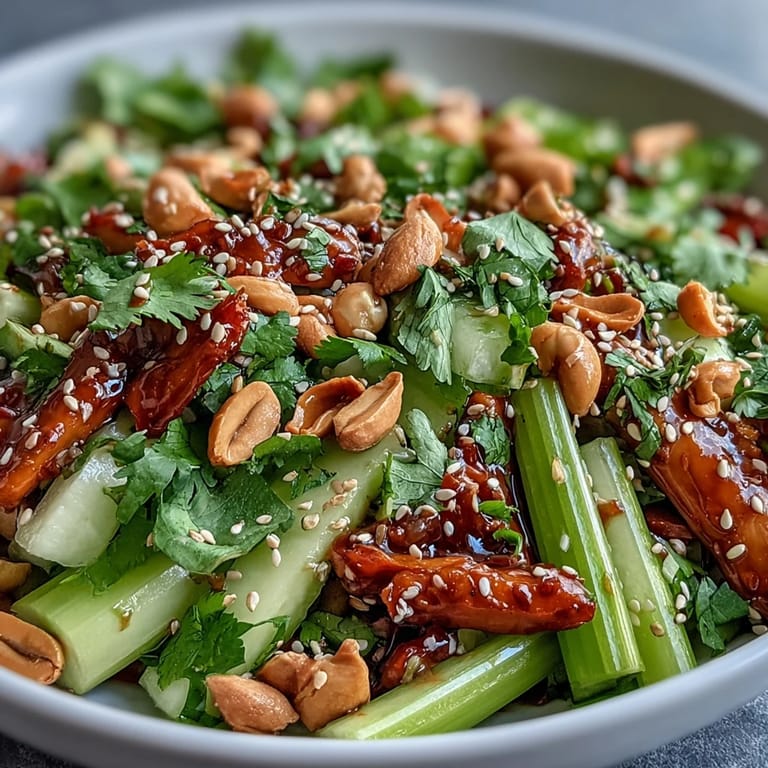
- Pour the dressing over everything and toss gently but thoroughly—you want every piece of celery kissed by that salty-sweet ginger mixture. Add the peanuts and sesame seeds last, folding them in lightly so they stay crispy and don't get bruised.
- Timing and serving:
- Eat it immediately if you want maximum crunch, or let it sit in the fridge for about ten minutes if you prefer the flavors to get more familiar with each other. After thirty minutes it starts losing its snap, so plan accordingly.
 Save
Save There was an evening last winter when I made this for myself after a particularly frustrating day, and something about the bright, punchy flavors and the aggressive crunch of everything under my teeth felt almost therapeutic. Food doesn't fix anything, but sometimes it reminds you that simple, good things are worth savoring.
Why This Dressing Works
The magic isn't in any single ingredient—it's in how they talk to each other. The soy sauce brings umami and salt, the rice vinegar adds brightness, the sesame oil rounds everything out with richness, and the ginger and garlic give it personality. The honey softens the sharp edges without making it sweet, and the lime juice at the end keeps everything feeling fresh and alive. I learned this by accident one day when I was out of rice vinegar and tried white vinegar instead, and the whole thing tasted harsh and one-dimensional—that's when I understood how carefully balanced the proportions actually are.
Variations That Still Feel Right
This salad is flexible enough to shift with what you have on hand, but not so flexible that anything goes. Swap the peanuts for cashews if you want something creamier or almonds if you want them to stay quieter in the background. If cilantro makes you sad, increase the scallions or add a handful of mint instead—it won't be the same salad, but it'll be good. Shredded cooked chicken turns this into a proper lunch, and crispy tofu cubes make it feel substantial without animal protein.
Storage and Make-Ahead Thoughts
The dressing keeps in a jar in the fridge for about a week, so you can make it on Sunday and have quick salads all week long—just don't dress the vegetables until you're ready to eat them. I've learned the hard way that a pre-dressed salad served a few hours later tastes like sad, soggy defeat no matter how good your intentions were. If you're packing this for lunch, keep everything in separate containers and assemble it right before eating.
- The peanuts should stay in their own little container until the very last second—they're what keeps this salad from feeling boring.
- Cilantro oxidizes and turns dark if you cut it too early, so chop it while you're making the salad, not the night before.
- Cold salad tastes better than room-temperature salad, so chill everything except the dressing for at least thirty minutes before serving.
 Save
Save This is the kind of salad that tastes effortless to serve but actually contains small moments of intention in every bite. Make it when you want to feel like you're taking care of yourself or someone you love.