 Save
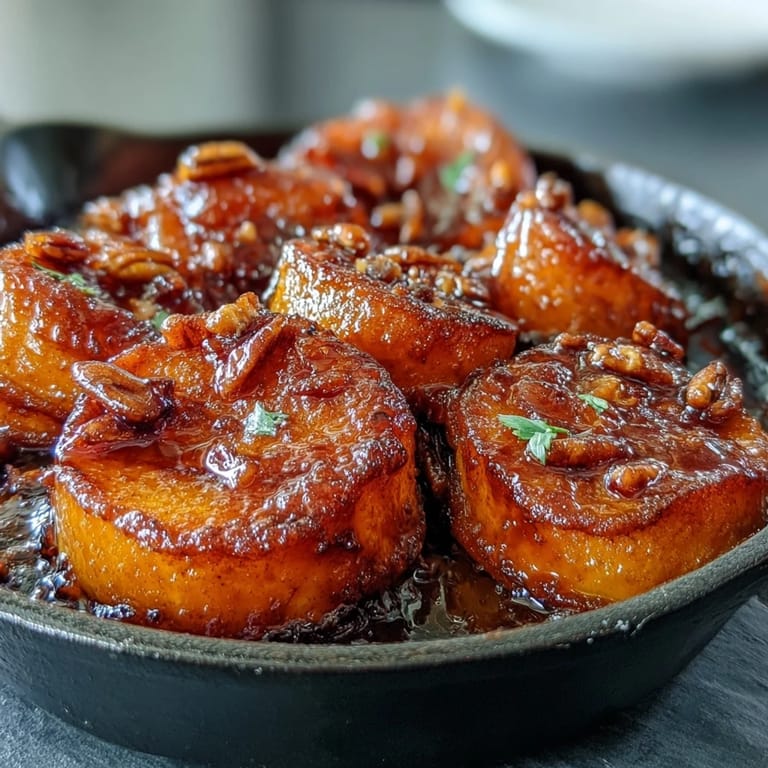
Save My grandmother's kitchen smelled like cinnamon and caramel every Thanksgiving, and I'd watch her work these glossy yam slices in her cast-iron skillet with the kind of quiet confidence that comes from making the same dish for fifty years. One year, I finally asked to help, and she handed me the wooden spoon without a word—just a knowing smile that meant I was ready to learn something that mattered. This candied yams recipe is her legacy, the one that taught me how simple butter and brown sugar could transform humble vegetables into something golden and unforgettable.
I made this for the first time solo on a random Tuesday in November, just to see if I could nail it without calling my grandmother. My roommate came home to the smell of it and literally stopped in the doorway, asking if someone was cooking professionally in our tiny kitchen. We ate half the skillet standing up, no plates, just passing it back and forth—and that's when I knew this recipe deserved to become part of my own cooking story.
Ingredients
- Large yams: Look for ones that are firm and relatively uniform in size so they cook evenly; peeling them while raw makes this step quicker than trying to peel them cooked.
- Packed light brown sugar: Don't use dark brown sugar unless you want deeper molasses notes; the light version creates that clean, buttery-caramel flavor that defines this dish.
- Unsalted butter: This lets you control the salt level and prevents the syrup from becoming too aggressive.
- Ground cinnamon and nutmeg: These aren't optional if you want that authentic soul food warmth; they're what make people ask for your recipe.
- Vanilla extract: Added at the very end because heat destroys its delicate flavor, so it reads as a whisper of complexity rather than a shout.
- Chopped pecans: Optional but recommended for that slight textural contrast and toasted nuttiness that catches people off guard.
Tired of Takeout? 🥡
Get 10 meals you can make faster than delivery arrives. Seriously.
One email. No spam. Unsubscribe anytime.
Instructions
- Start your syrup base:
- Melt the butter over medium heat—you want it foaming gently, not browning yet. Add the brown sugar, water, cinnamon, nutmeg, and salt, stirring until the sugar fully dissolves and you see it bubbling at the edges.
- Layer in the yams:
- Arrange your yam slices in the skillet and turn them gently to coat in that glossy syrup. This is where the magic starts; you're creating a foundation for caramelization.
- Steam with patience:
- Cover the skillet and lower the heat to medium-low, letting steam soften the yams from the inside while the syrup works on the outside. Stir and turn the slices every few minutes so they cook evenly and absorb flavor all over.
- Finish with heat and shine:
- After about 20 minutes, remove the lid and increase the heat back to medium. The liquid will reduce into a thick, glossy glaze while the yams develop golden-brown edges. Keep spooning that syrup over them—this is what creates the caramelization that makes people close their eyes when they eat it.
- Final touch:
- Stir in the vanilla extract at the very end, letting it distribute through the warm syrup. If you're using pecans, sprinkle them on just before serving so they stay crispy.
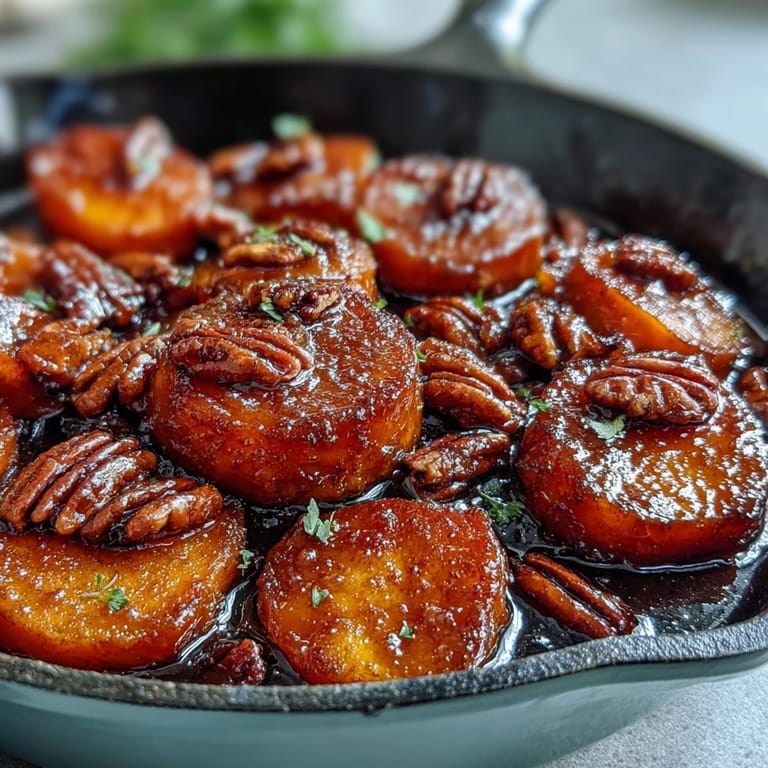 Save
Save My dad brought his new partner to Thanksgiving dinner the year after I started making this recipe myself, and she took one bite of the yams and asked if I'd studied cooking professionally. That moment—watching someone's face light up over something you made with your own hands—that's when I understood why my grandmother guarded this recipe like a family secret. It wasn't about impressing people; it was about feeding them something that tasted like home.
The Science of the Glaze
Brown sugar breaks down in heat, and when you remove that lid, the water evaporates and the sugar concentrates into a syrup that clings to the yams and slowly caramelizes at the edges. The butter adds richness and helps the spices bloom into something that's both warm and complex. This isn't complicated chemistry; it's just heat and patience working together the way they're supposed to.
Make It Your Own
Once you've made this exactly as written—and I mean exactly—you'll understand the foundation well enough to play with it. Some people add a pinch of ground ginger or cloves for extra warmth, and I've seen someone add a tablespoon of bourbon to the syrup, which created this incredible depth. The beauty is that this recipe is sturdy enough to handle a little reinvention once you know what you're doing.
Serving and Storage
These yams are best served warm, straight from the skillet, but they also reheat beautifully in a low oven, which makes them perfect for preparing ahead on busy holiday mornings. Store any leftovers in an airtight container in the refrigerator for up to four days, and warm them gently so the glaze doesn't separate.
- This dish pairs perfectly alongside roasted turkey, ham, or fried chicken—basically any protein that benefits from something sweet and buttery nearby.
- Vegan butter works just as well as dairy butter if you need to accommodate plant-based eaters, and nobody will notice the difference.
- If you're doubling the recipe for a larger crowd, use a bigger skillet or split between two so the yams have room to caramelize properly.
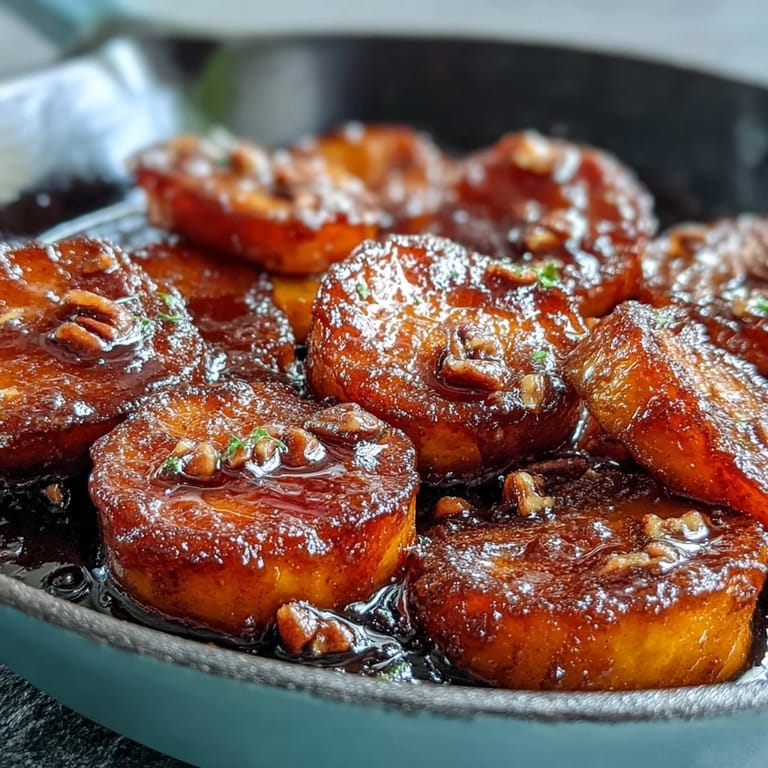 Save
Save This recipe is a reminder that the best dishes aren't the complicated ones; they're the ones that taste like someone took their time and cared about every detail. Make it, feed it to people you love, and watch their faces when that buttery spiced sweetness hits their tongue.
Recipe FAQs
- → What type of yams work best for this dish?
Large, firm yams sliced into even rounds ensure even cooking and a tender texture.
- → Can I substitute the butter in the glaze?
Yes, plant-based butter can be used for a dairy-free option without sacrificing flavor.
- → How do the warm spices affect the flavor?
Cinnamon and nutmeg add subtle warmth and depth, balancing the sweetness of the brown sugar.
- → Is the pecan garnish necessary?
Pecans add a pleasant crunchy texture and nutty contrast, but they can be omitted if desired.
- → What cooking tools are recommended?
A large skillet with a lid is essential to allow gentle simmering and caramelization.