 Save
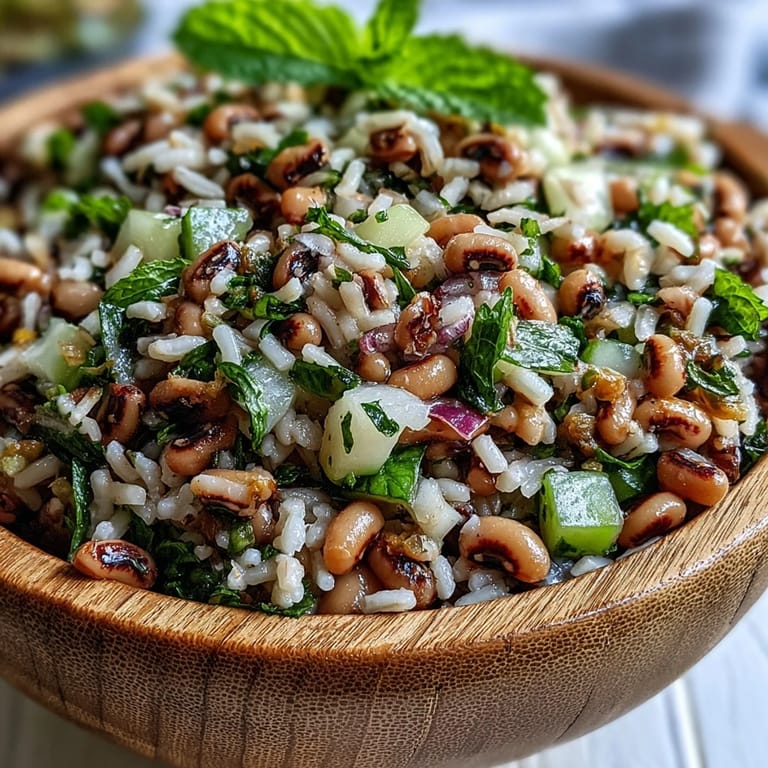
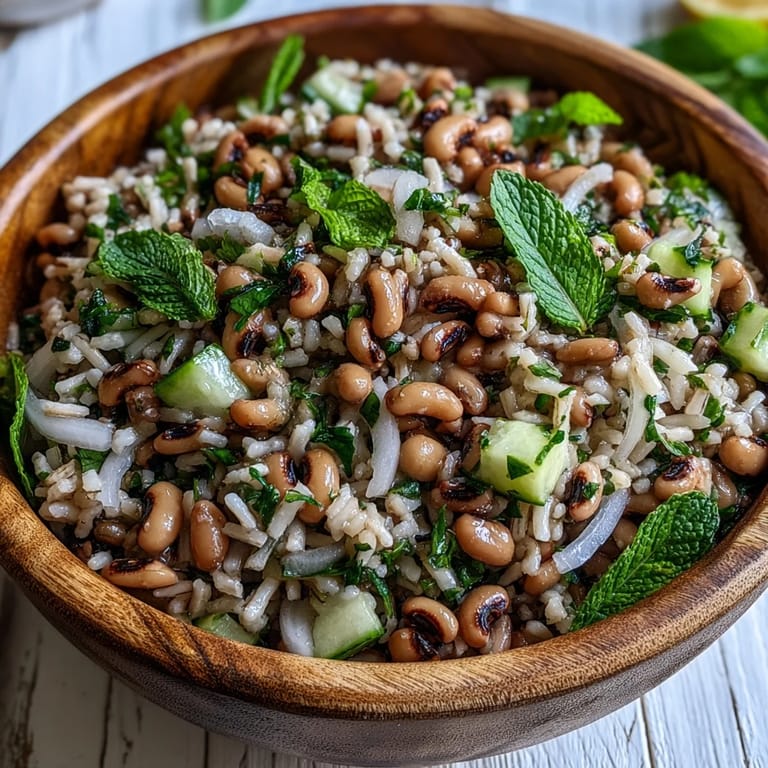
Save My grandmother always said the best salads were the ones that got better as they sat, and this Southern black-eyed pea salad proved her right in the most delicious way. I discovered it one sweltering July afternoon when I needed something that wouldn't wilt in the heat but would actually taste like it belonged on a Southern table. The combination of nutty brown rice and tender black-eyed peas felt both comforting and unexpectedly light, the kind of dish that makes you feel clever for putting it together. That first time, I made it for a neighborhood potluck, and it disappeared faster than the sweet tea.
I'll never forget serving this at my cousin's engagement party last summer, watching people come back for thirds while barely acknowledging it was mostly vegetables and legumes. Someone actually asked if I'd added bacon, which felt like the highest compliment I could receive. That moment taught me that good food doesn't announce itself loudly—it just quietly becomes unforgettable.
Ingredients
- Black-eyed peas: These little powerhouses bring earthiness and protein without any pretense, and canned ones work just as beautifully as dried if you rinse them well.
- Brown rice: The nuttiness here is crucial—it's what makes this salad feel substantial and grounding rather than like you're just eating a vegetable cup.
- Red onion: Finely diced is the key; it should almost disappear into brightness rather than announce itself with aggressive crunch.
- Celery: This adds the structural freshness that keeps everything from feeling heavy, so don't skip it even though it seems ordinary.
- Fresh mint: This is where the magic happens—mint transforms the whole salad from pleasant to memorable, so use the good stuff and chop it just before mixing.
- Extra-virgin olive oil: The quality matters here since it's doing all the heavy lifting in the dressing, and a smooth, fruity oil works better than peppery.
- Fresh lemon juice: This brightens everything with intention, and fresh-squeezed makes a noticeable difference over bottled.
- Lemon zest: Those tiny flecks of brightness are what make people pause and ask what that flavor is, so don't skip it.
- Dijon mustard: Just a teaspoon creates an emulsion that makes the dressing cling to every grain and bean instead of pooling at the bottom.
- Honey or maple syrup: A touch of sweetness balances the lemon's pucker and creates sophistication without anyone tasting sugar.
Tired of Takeout? 🥡
Get 10 meals you can make faster than delivery arrives. Seriously.
One email. No spam. Unsubscribe anytime.
Instructions
- Gather and prepare your components:
- While your rice is cooling, dice everything with care—the uniformity matters more than you'd think because it means every forkful tastes intentional. Have all your ingredients prepped and ready before you start, which takes the chaos out of the moment.
- Build the salad base:
- In a large bowl, combine the cooled peas and rice with the red onion, celery, and mint, and as you toss it together, smell how the mint is already waking up everything else. This is the moment where you can taste a grain and adjust if the rice needs a little salt on its own.
- Create the dressing:
- Whisk the olive oil, lemon juice, zest, mustard, and honey together in a small bowl or jar until it looks glossy and unified rather than separated. The mustard is your secret helper here—it's holding everything together in a way that feels almost magical.
- Bring it all together:
- Pour the dressing over the salad and toss gently but thoroughly, making sure the oil reaches into every corner so nothing gets left out. At this point, taste and trust your instincts—add more lemon if it feels flat, more salt if it tastes one-dimensional.
- Let time do its work:
- Refrigerate for at least thirty minutes, and if you can wait longer, even better—the flavors will deepen and the rice will absorb just enough dressing to taste like it was made this way on purpose. This is the hardest part, but it's worth every minute of waiting.
- Serve with intention:
- Whether you serve it cold or let it come to room temperature, finish it with extra torn mint that hasn't spent time in the fridge losing its brightness. This final touch reminds everyone what they're eating and why it matters.
 Save
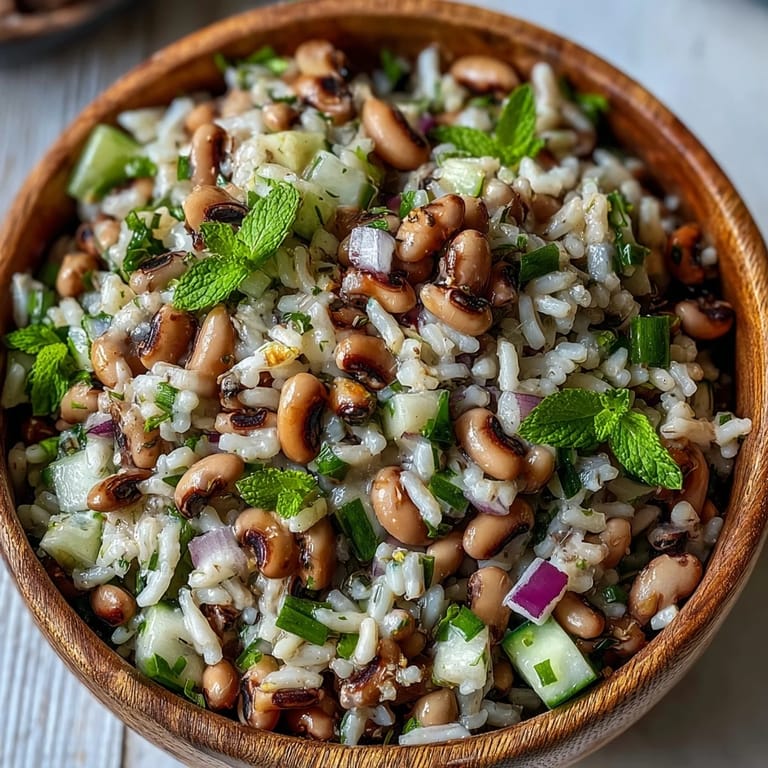
Save There's something profoundly honest about a salad that doesn't pretend to be anything other than what it is, and yet somehow becomes exactly what everyone needed. This one has taught me that sometimes the most memorable dishes are the ones made from the simplest ingredients prepared with genuine attention.
How to Make It Your Own
The beauty of this salad is how it invites customization without losing its soul—add diced cucumber or bell pepper if you want more color and snap, or stir in some corn if you're cooking when it's in season. I've seen people add crispy chickpeas, sunflower seeds, or even some finely diced radish, and each version felt right in its own moment. The bones of the dish are strong enough to carry whatever vegetables you have on hand, so think of this as a template rather than a law.
Storage and Make-Ahead Magic
This salad actually improves when you make it a day ahead, which makes it perfect for meal prep or for anyone who loves the idea of pulling something delicious from the refrigerator. The flavors meld overnight in the most graceful way, and the rice drinks in just enough dressing to taste cohesive rather than dressed. Keep it in an airtight container, and it stays fresh and vibrant for three or four days, though it rarely lasts that long in my house.
When to Serve This Salad
This is the salad I think of when someone asks me what to bring to a summer picnic or a potluck where people will actually remember what they ate. It travels well, tastes great at any temperature, and somehow makes everyone feel like you spent hours in the kitchen even though you didn't. It's also stunning as a light lunch on its own, or as a gentle side to grilled vegetables when you want something that won't compete for attention.
- Double the recipe without hesitation if you're feeding a crowd, because extras become tomorrow's lunch and nobody will complain about that.
- If you're adding feta, crumble it in just before serving so it stays distinct and doesn't get lost in the mix.
- Keep extra dressing in a small jar and let people add more if they want it—some prefer their salad drier, and that choice should always be theirs.
 Save
Save Every time I make this salad, I'm reminded that the best dishes are the ones that make people feel welcomed and cared for without any fuss. It's become the recipe I reach for when I want to feed people something real.
Recipe FAQs
- → Can I use dried black-eyed peas instead of canned?
Yes, soak dried peas overnight and cook until tender before using. One can equals about 1.5 cups cooked peas. Ensure they're fully cooled before mixing with other ingredients.
- → How long does this salad keep in the refrigerator?
Store in an airtight container for up to 4-5 days. The flavors actually improve after a day as the ingredients marinate in the vinaigrette. Add fresh herbs just before serving if needed.
- → Can I make this dish vegan?
The base version is already dairy-free. Simply use maple syrup instead of honey in the vinaigrette. Omit any suggested feta cheese additions to keep it entirely plant-based.
- → What can I substitute for brown rice?
Quinoa, farro, or wild rice work beautifully. Cauliflower rice offers a low-carb alternative. Just ensure whatever grain you choose is cooled before combining with the vegetables.
- → Is it necessary to chill before serving?
While not strictly required, refrigerating for at least 30 minutes allows flavors to meld and intensify. The salad tastes more vibrant and cohesive after this brief chilling period.