 Save
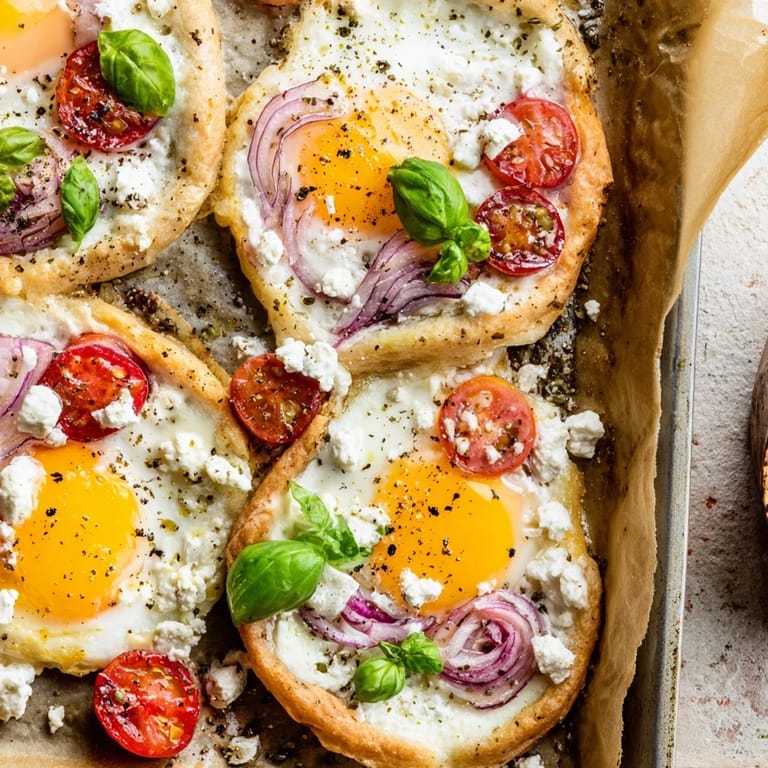
Save One Sunday morning, I stood in my kitchen watching the sun stream through the window, utterly uninspired by my usual scrambled eggs routine. That's when I grabbed a handful of grape tomatoes from the counter and thought: what if I just roasted everything together? Thirty minutes later, I had eight eggs nestled in a bed of blistered tomatoes and feta, and my kitchen smelled like a Mediterranean villa. My partner walked in, took one bite straight from the pan, and that was it—this became our weekend tradition.
I made this for a small group of friends last spring, and I'll never forget how quiet everyone got when they took their first bite. One friend actually closed her eyes. She said it tasted like she was on vacation, and I realized that's exactly what this dish does—it transports you without requiring a plane ticket. Now whenever someone visits, they ask if I'm making the tomato egg situation.
Ingredients
- Grape tomatoes: Look for ones that feel heavy and smell sweet at the stem—they'll burst beautifully when roasted and create little pockets of jammy flavor.
- Feta cheese: Get good quality feta, preferably in brine, and crumble it by hand rather than using pre-crumbled; the texture matters and it'll melt differently.
- Eggs: Use the freshest eggs you can find—they'll hold their shape better and the yolks will be a deeper, richer color.
- Garlic: Mince it small so it roasts evenly and becomes sweet and mellow rather than harsh.
- Red onion: This one's optional but adds a subtle sweetness and slight bite that balances the richness of the feta.
- Extra-virgin olive oil: Don't skip quality here—it's essential to the flavor profile and worth the splurge.
- Dried oregano: A touch goes a long way, giving the whole dish that Mediterranean whisper without overpowering.
- Red pepper flakes: Keep these optional unless you want a gentle warmth running through every bite.
- Fresh basil: Add it at the very end, when the pan comes out of the oven, so it stays bright and fragrant rather than turning dark.
Tired of Takeout? 🥡
Get 10 meals you can make faster than delivery arrives. Seriously.
One email. No spam. Unsubscribe anytime.
Instructions
- Get Your Pan Ready:
- Preheat your oven to 400°F and line a rimmed sheet pan with parchment paper or a light coating of oil. This prevents any sticking and makes the whole experience feel effortless.
- Build Your Base:
- Spread the halved grape tomatoes, minced garlic, and thinly sliced red onion across the pan. Drizzle generously with olive oil, then sprinkle with oregano, red pepper flakes if you're using them, and a good pinch of salt and black pepper. Toss everything together until the tomatoes and aromatics are coated in that golden oil.
- First Roast:
- Pop the pan in the oven for about 10 minutes. You're looking for the tomatoes to just start softening and the garlic to smell incredible—don't wait for them to collapse completely.
- Nestle the Eggs:
- Remove the pan carefully and use the back of a spoon or your finger to create eight small wells among the tomatoes. Crack one egg into each well, working gently so the yolks stay intact. Scatter the crumbled feta over everything, tucking some pieces around the eggs.
- Second Bake:
- Return to the oven for 8 to 10 minutes. Watch for the egg whites to turn opaque and set while the yolks remain slightly jiggly in the center—this is the sweet spot where everything is cooked but still tender and luxurious.
- Finish and Serve:
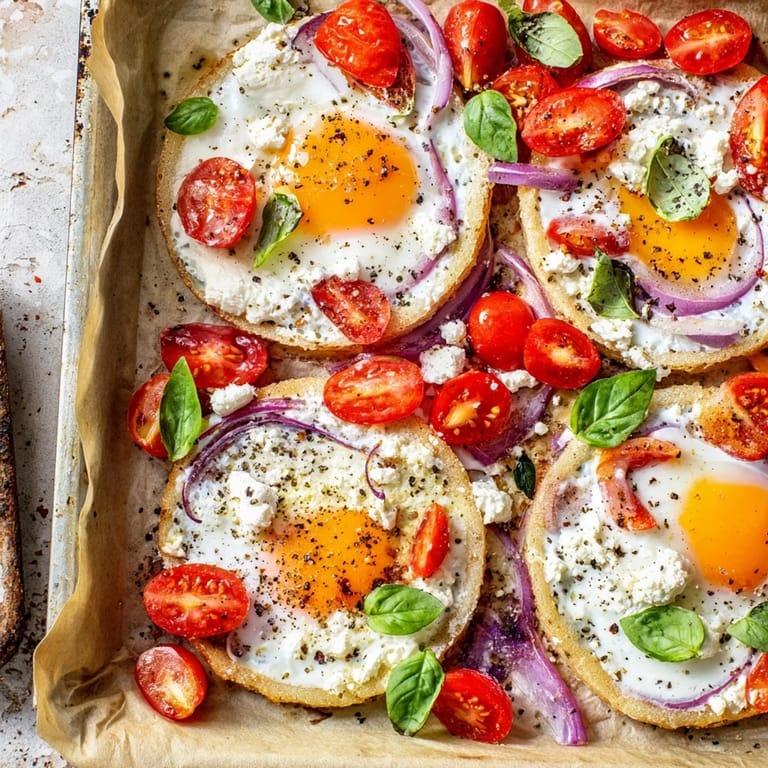
- Pull the pan from the oven and scatter fresh torn basil over the top while everything is still hot. Serve it straight from the pan, letting each person scoop out their own portion with all that beautiful roasted goodness attached.
 Save
Save There's something deeply comforting about a meal that comes from a single pan, passed around a table warm and bubbling. It removes the formality, the plating anxiety, the worry—everyone just eats directly from where it's been cooked, and suddenly breakfast feels like an event.
Why This Works as Breakfast, Lunch, or Dinner
I initially thought of this as a breakfast dish, but I've made it for lunch over crusty bread and as a light dinner with a big salad alongside. The beauty is that it doesn't announce itself as belonging to any particular meal—it's just good food, and your appetite determines when you eat it. The protein from the eggs and feta keeps you satisfied, while the vegetables add brightness without heaviness.
Customizing Your Pan
This recipe is more of a foundation than a strict formula. I've added handfuls of fresh baby spinach before roasting, scattered thinly sliced bell peppers among the tomatoes, and even tucked in some roasted breakfast potatoes for extra substance. Each addition brings something different to the table, and nothing ever overshadows the core magic of blistered tomatoes and silky eggs.
Serving Suggestions and Extras
The sheet pan itself becomes the serving vessel—no need for fancy plating. Serve it alongside toasted sourdough, warm pita bread, or even crusty country loaf for scooping up every bit of golden oil and tomato juice. Sometimes I drizzle a little extra-virgin olive oil over the top just before serving, or add a dollop of pesto for richness and herbal depth.
- Toast your bread until it's crispy enough to support a scoop of egg without falling apart.
- A simple green salad alongside cuts through the richness and adds freshness if you're serving this as lunch or dinner.
- Fresh lemon wedges are never out of place here—a squeeze of brightness makes everything sing.
 Save
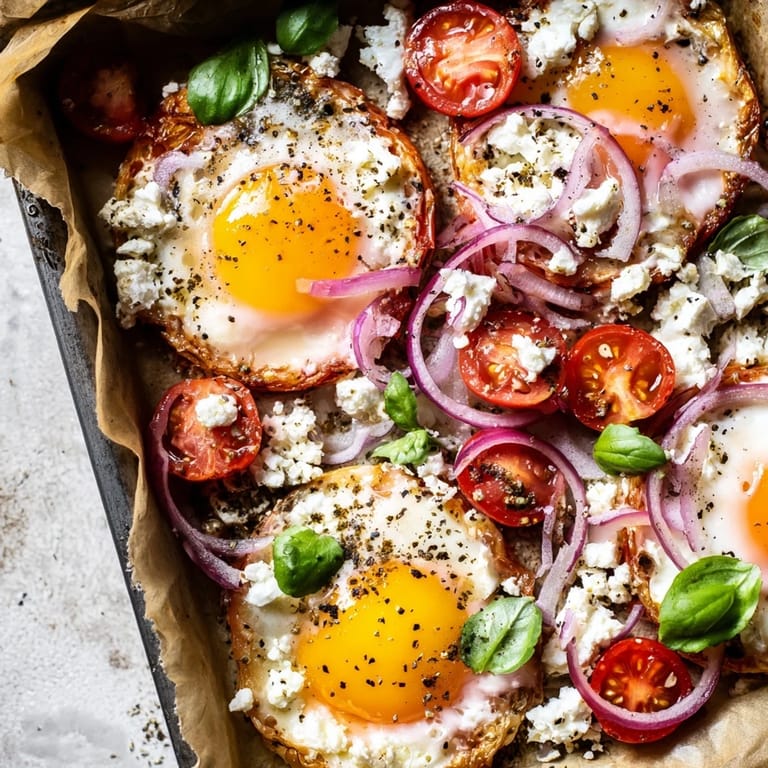
Save This sheet pan has become my answer to the question of what's for breakfast, and I hope it becomes yours too. There's real magic in simplicity done right.
Recipe FAQs
- → What is the best way to prepare the tomatoes for this dish?
Halve grape tomatoes evenly to ensure they roast uniformly and release their natural sweetness during baking.
- → Can I adjust the egg doneness?
Yes, bake until egg whites set but yolks remain slightly runny or cook longer for firmer yolks based on preference.
- → What herbs complement the flavors best?
Fresh basil enhances brightness, while dried oregano adds a warm Mediterranean note to balance the tomatoes and feta.
- → Are there suggested add-ins to vary the dish?
Consider adding baby spinach, bell peppers, or cooked potatoes before roasting for extra texture and heartiness.
- → How does olive oil contribute to the dish?
Olive oil helps to lightly coat the vegetables, promoting caramelization and enriching the overall flavor profile.